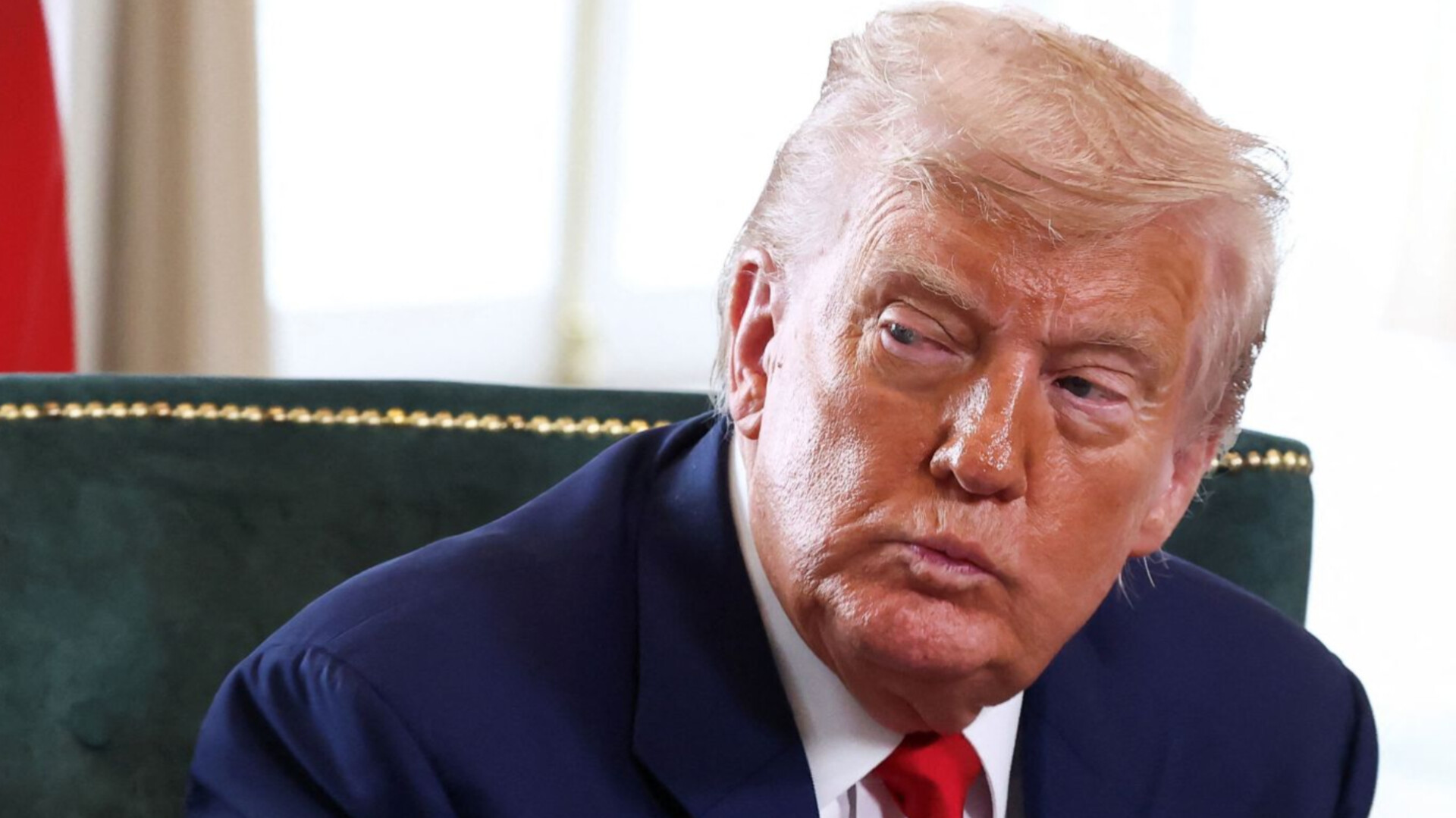
US President Donald Trump has reiterated that American forces will continue to remain deployed around Iran until a “real and fully enforced agreement” is achieved.
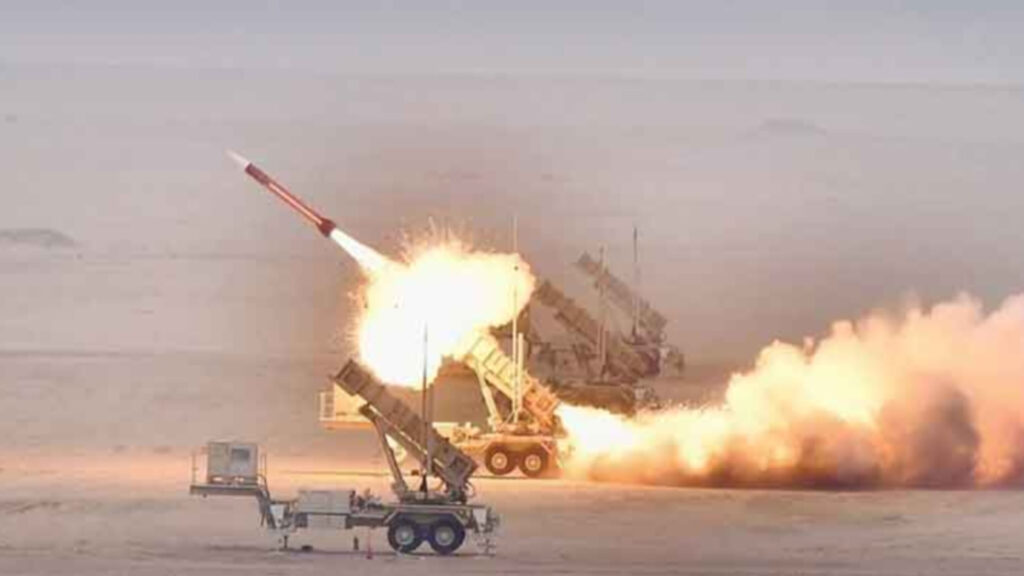
He made it clear that the United States is closely monitoring the situation and is prepared to respond immediately if any side violates the terms of the ceasefire, warning that such actions would lead to a strong military reaction.
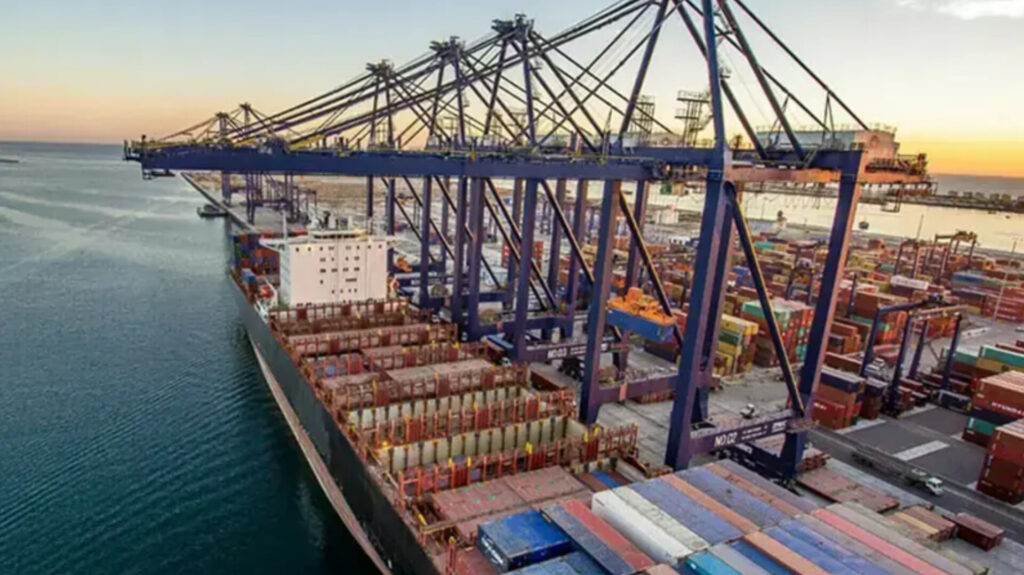
He strongly emphasized that Iran must not be allowed to develop nuclear weapons, calling it a key condition for long-term peace in the region. Trump also highlighted the importance of keeping the Strait of Hormuz open at all times, as it is one of the world’s most critical routes for oil and gas transportation. Any disruption in this waterway, he noted, could have serious consequences for global energy markets and economic stability.
The recent ceasefire, which was supported through diplomatic efforts involving Pakistan, had briefly reduced tensions between the involved sides. However, the situation remains unstable due to ongoing disagreements. Key issues include the role and activities of Hezbollah, as well as economic sanctions that continue to put pressure on Iran and complicate negotiations.
Meanwhile, Israeli military operations in Lebanon are still ongoing, further escalating the conflict. These strikes have resulted in casualties and have drawn concern from the international community, as they risk undermining ongoing diplomatic efforts and increasing regional instability.
In addition to the security situation, global oil prices have started to rise due to fears of supply disruptions, especially with uncertainty surrounding the Strait of Hormuz. Markets remain sensitive to any developments in the region, as even small changes can have a large impact on energy supplies worldwide.
Despite continued diplomatic engagement and planned talks in Islamabad, the path toward lasting peace remains uncertain. Analysts believe that while dialogue is ongoing, mutual mistrust and continued military actions on the ground are major obstacles that must be addressed before a stable and long-term agreement can be reached.