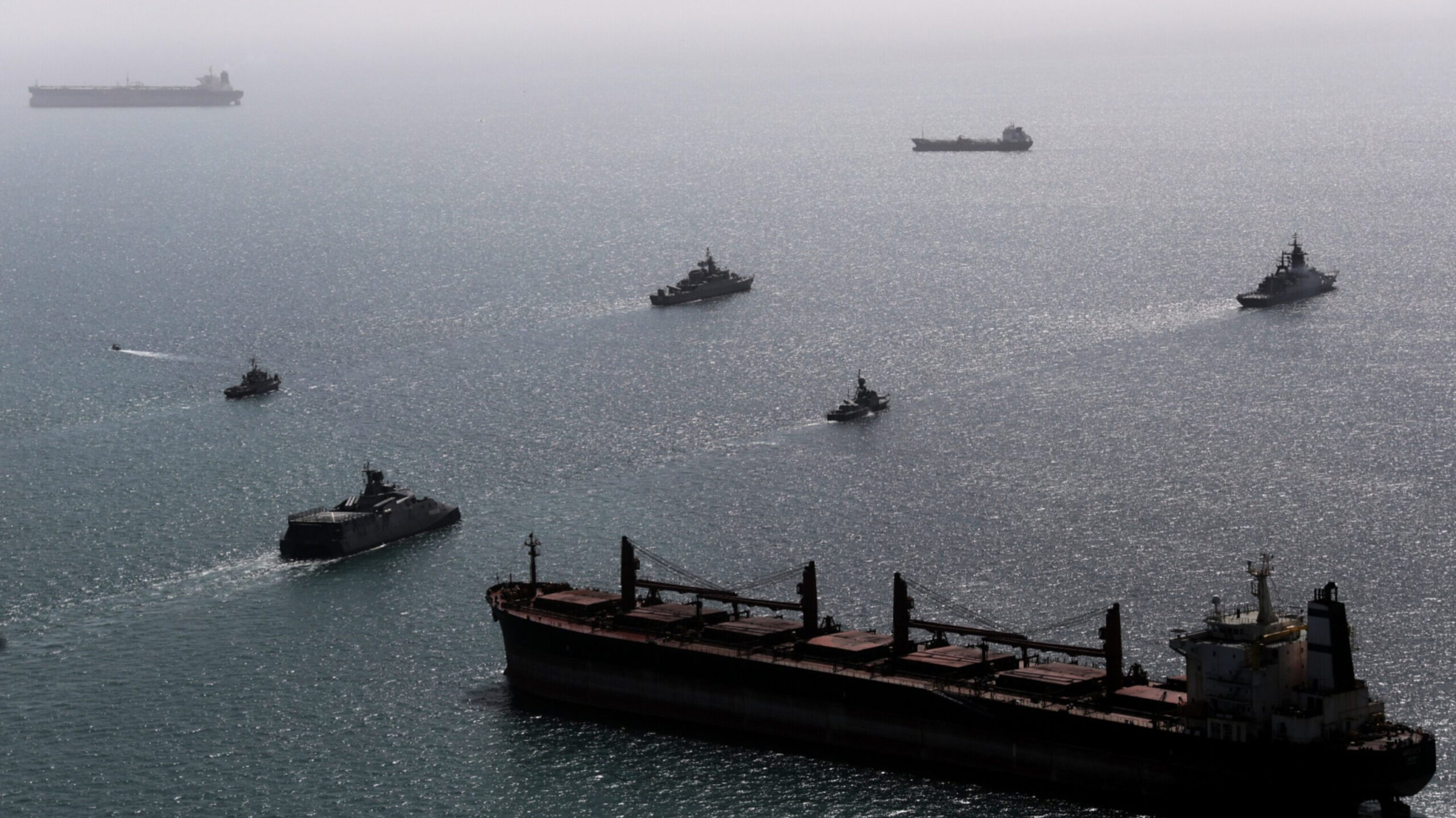
Iran’s military announced on Saturday that it has closed the strategically important Strait of Hormuz to maritime traffic, citing what it described as a violation of U.S. commitments under a preliminary agreement aimed at ending the ongoing conflict in the region. The announcement has raised fresh concerns about regional stability and the global energy market, as the waterway is one of the world’s most important routes for oil and gas shipments.
According to a statement carried by Iranian state media, the Khatam al-Anbiya Central Headquarters said the decision was influenced by continued violence in southern Lebanon, the deaths and displacement of Lebanese civilians, and Israel’s refusal to fully withdraw from the area. Iranian officials argued that the United States had failed to prevent Israel from violating the ceasefire arrangements that were part of the broader agreement between Washington and Tehran.
The preliminary deal between the United States and Iran was intended to halt hostilities across all fronts, including Lebanon, and pave the way for further diplomatic negotiations. However, renewed clashes between Israel and Hezbollah have put the agreement under pressure and complicated efforts to reach a lasting settlement.
Despite the tensions, diplomatic efforts appear to be moving forward. Pakistan, which has been acting as a mediator between the two sides, announced that technical-level talks between the United States and Iran are scheduled to begin in Switzerland on Sunday. The discussions are expected to focus on mechanisms for implementing and expanding the ceasefire agreement.
U.S. Vice President JD Vance said that presidential envoys Steve Witkoff and Jared Kushner were already in Switzerland and prepared to participate in negotiations. Meanwhile, Iran’s Foreign Ministry confirmed that an Iranian delegation was also traveling to Switzerland for the talks. Swiss officials stated that they continue to provide a neutral and reliable environment for diplomatic discussions aimed at reducing tensions.
The United States has not yet officially responded to Iran’s announcement regarding the Strait of Hormuz. The waterway had previously been reopened following the U.S.-Iran agreement, leading to an increase in shipping traffic. Iran had initially closed the strait during the early stages of the conflict, causing concern in global energy markets and disrupting international trade routes.
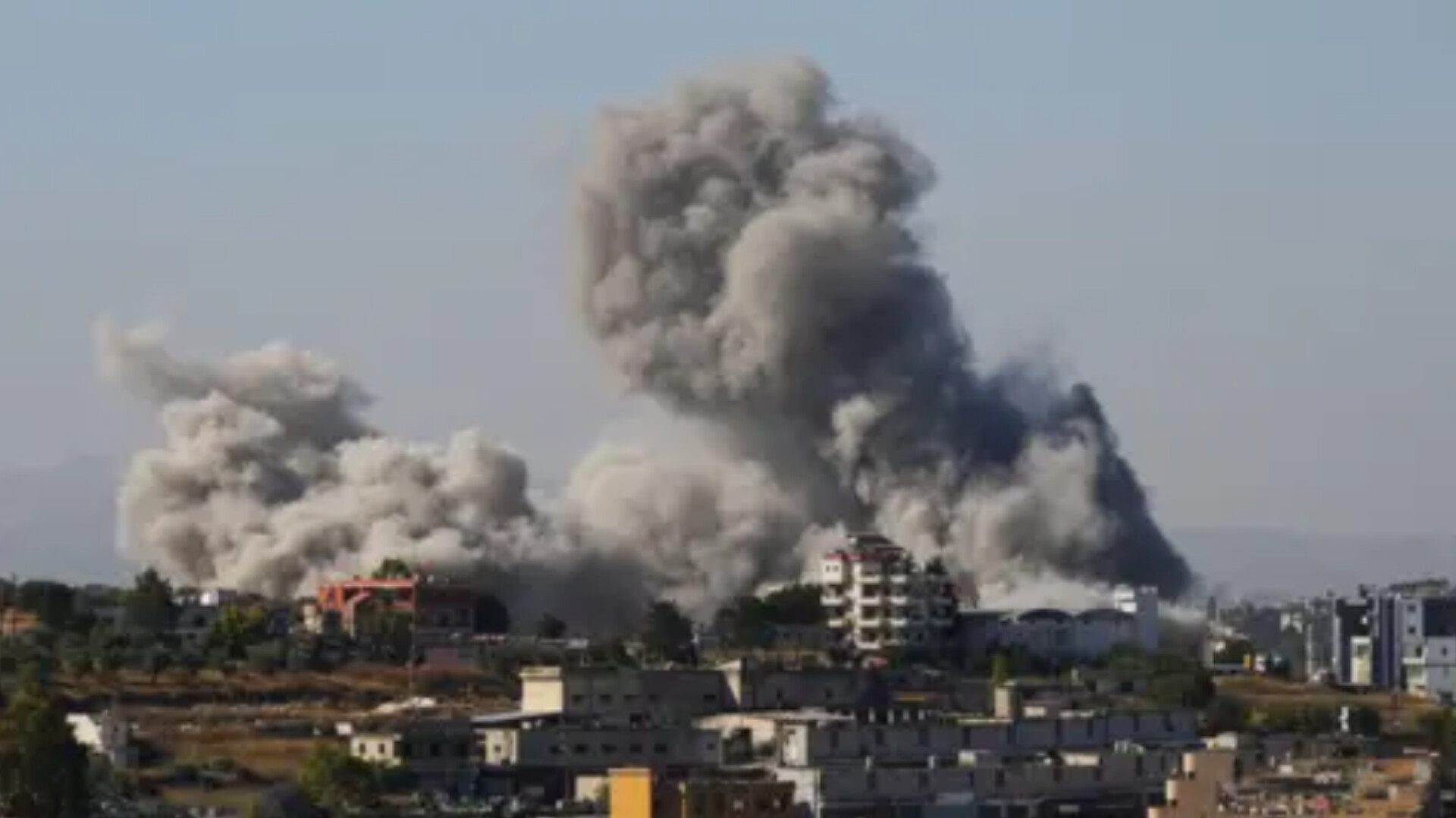
Meanwhile, fighting continued between Israel and Hezbollah despite a ceasefire announced just a day earlier. Lebanese state media reported Israeli airstrikes targeting several towns and cities in southern Lebanon. Lebanese health authorities said at least seven people were killed and 13 others were injured in the attacks.
The Israeli military stated that Hezbollah had launched more than 50 projectiles toward Israeli forces stationed in southern Lebanon overnight. In response, Israel said it carried out strikes against what it described as Hezbollah military positions.
Hezbollah, however, insisted that it remains committed to the ceasefire agreement. The group accused Israeli forces of attempting to advance toward the strategic Ali al-Taher ridge overlooking the Nabatieh region and claimed that its fighters had ambushed an Israeli infantry unit operating in the area.
The ongoing confrontation in Lebanon has become one of the most significant challenges to ending the broader conflict involving the United States, Iran, Israel, and regional armed groups. Diplomatic efforts continue, but the latest military developments highlight the fragile nature of the ceasefire and the difficulties facing negotiators as they work toward a comprehensive peace agreement.