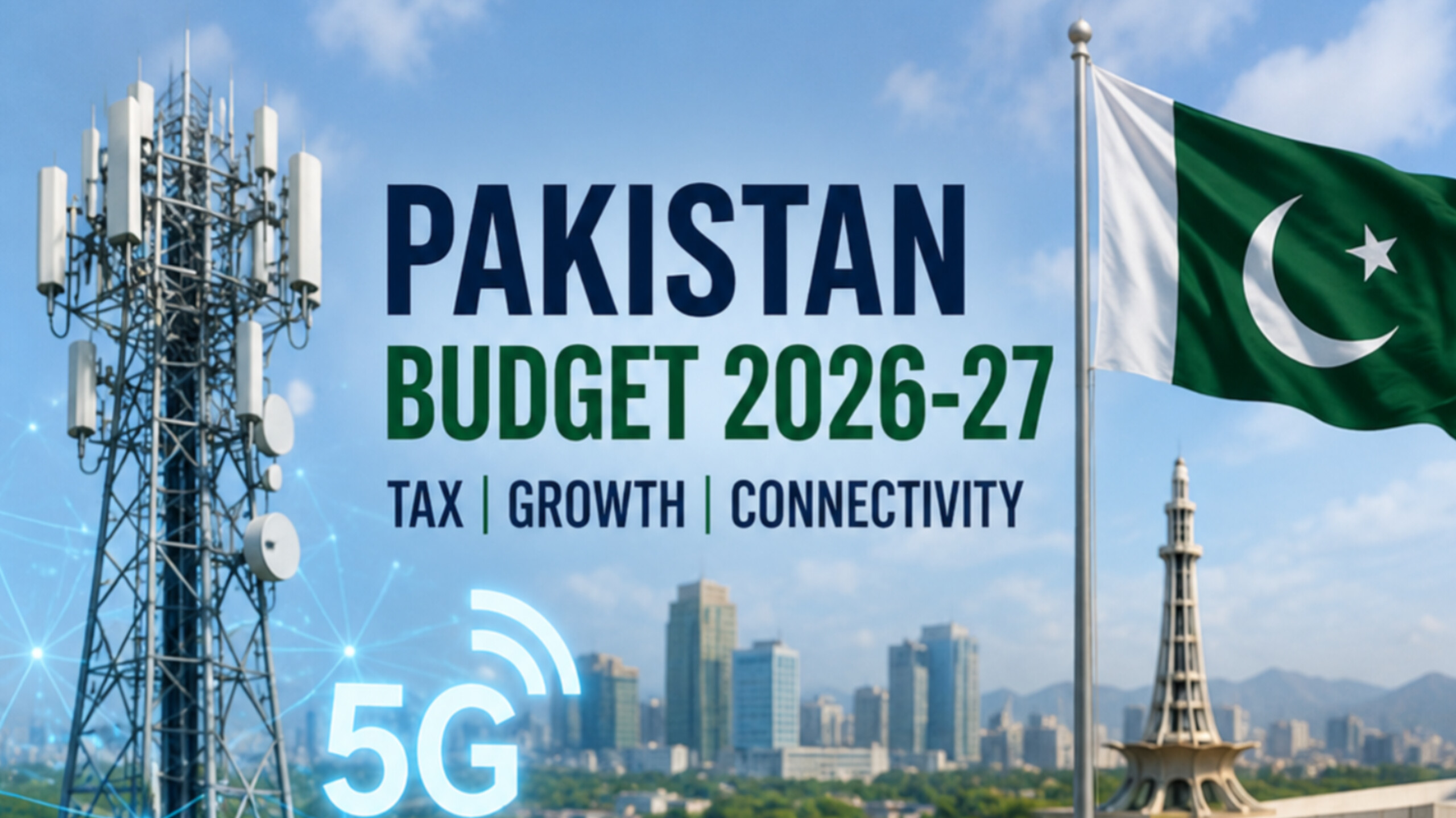
As Pakistan prepares to unveil the Federal Budget 2026-27 on June 5, economic experts, businesses, and the general public are closely watching developments amid growing debate over the government’s fiscal plans.
The upcoming budget is expected to have a significant impact on the country’s economy and the daily lives of millions of Pakistanis. Key areas likely to be affected include employment, business growth, investment opportunities, inflation, and household purchasing power.
Government officials have stated that efforts are being made to minimize the financial burden on citizens. However, ongoing negotiations with the International Monetary Fund (IMF) and discussions surrounding new tax measures have raised concerns about the extent of relief that can realistically be provided.
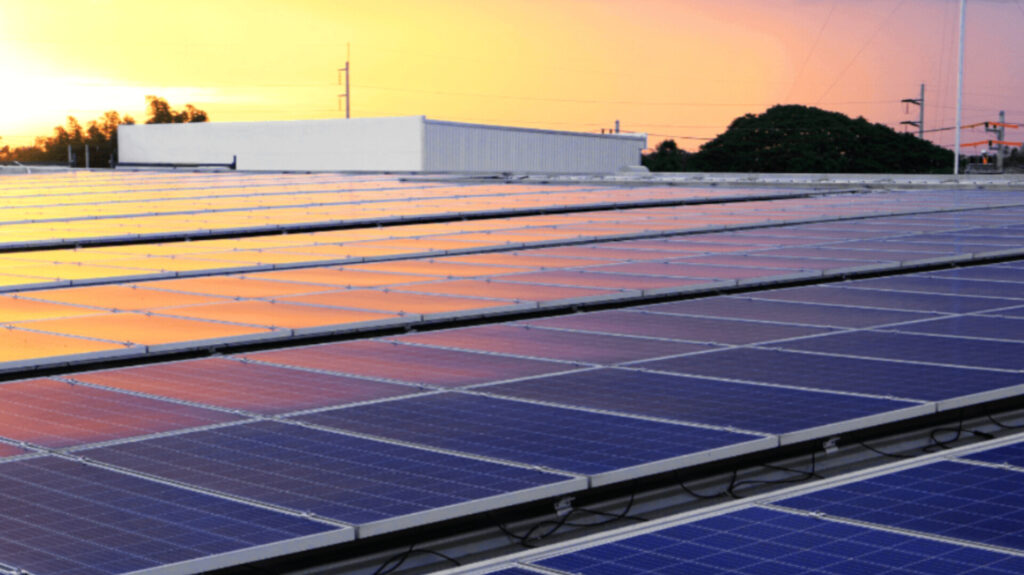
According to reports, authorities are considering a possible one percent increase in the General Sales Tax (GST), a move that could generate substantial additional revenue for the government. Discussions have also been held regarding potential tax changes on solar panels, electric vehicles, and hybrid vehicles, although officials maintain that no final decisions have yet been made.
Economic analysts believe the government faces a difficult challenge in balancing IMF-backed fiscal targets with public expectations for tax relief and economic support. Many experts argue that strict revenue goals may limit the government’s ability to introduce meaningful reductions in taxes.
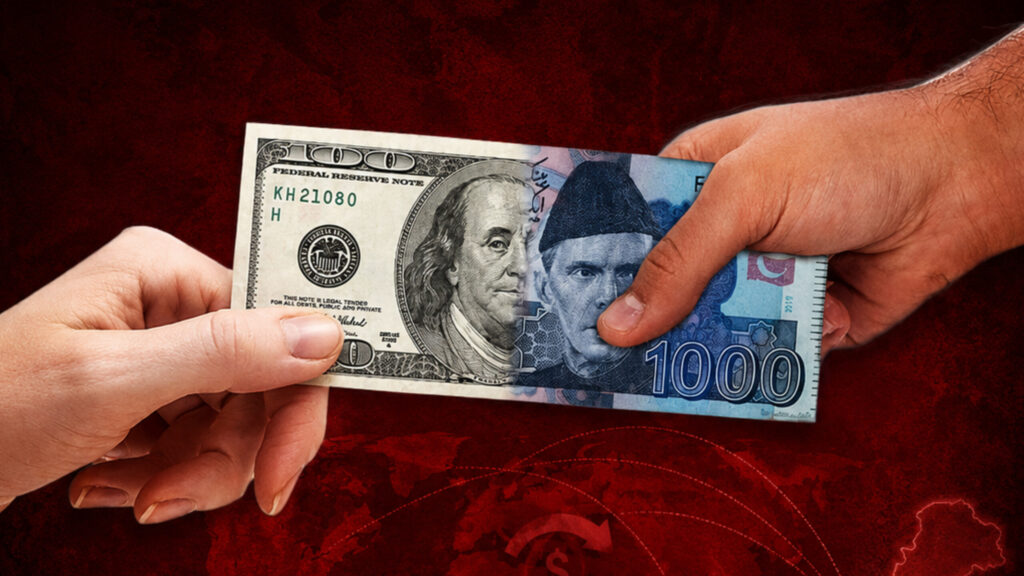
There are also concerns that any increase in indirect taxes could add further pressure on consumers. Since GST applies to a wide range of goods and services, even a small increase could lead to higher prices and contribute to inflation, reducing the purchasing power of ordinary citizens.
The fairness of Pakistan’s tax system has also become a major point of discussion ahead of the budget. Critics argue that indirect taxes disproportionately affect lower and middle-income groups, while certain sectors contribute relatively less through direct taxation.
Questions have additionally been raised about tax policies for salaried individuals, retailers, and corporate entities. Analysts note that salaried employees often face heavier tax deductions compared to other income groups, creating concerns about equity within the taxation system.
Energy and fuel-related taxation remains another important issue as Pakistan continues efforts to expand renewable energy and promote environmentally friendly technologies. Some experts warn that higher taxes on sectors linked to clean energy could slow the adoption of solar power systems, electric vehicles, and hybrid transportation.
At the same time, discussions continue regarding possible relief measures for the salaried class, including revisions to income tax slabs and thresholds. However, experts caution that any relief offered may be limited and potentially offset by broader taxation measures elsewhere in the budget.
Overall, the Federal Budget 2026-27 is expected to reflect the government’s attempt to maintain fiscal discipline while addressing public demands for economic relief. As the budget announcement draws closer, uncertainty remains over whether the proposed measures will ease financial pressures or place additional strain on consumers and businesses.