KARACHI: Pakistan’s leading business and industrial body has called on the government to reduce taxes in the upcoming federal budget 2026-27, arguing that lower tax rates could significantly boost exports and strengthen the national economy.
The federal budget for the next fiscal year is scheduled to be presented by Finance Minister Muhammad Aurangzeb in the National Assembly on June 10. The budget will outline the government’s revenue targets and expenditure plans for the coming 12 months.
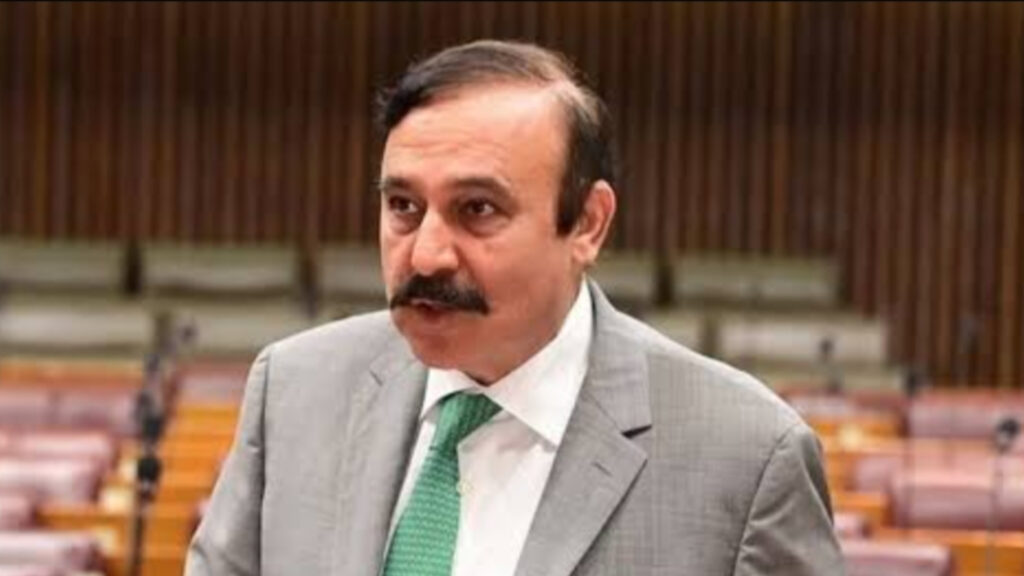
Speaking at a press conference in Karachi, Federation of Pakistan Chambers of Commerce and Industry (FPCCI) Senior Vice President Saquib Fayyaz Magoo urged the government to abolish the super tax imposed on the manufacturing sector and reduce the corporate tax rate to 20 percent. He said these measures would improve business competitiveness and encourage economic growth.
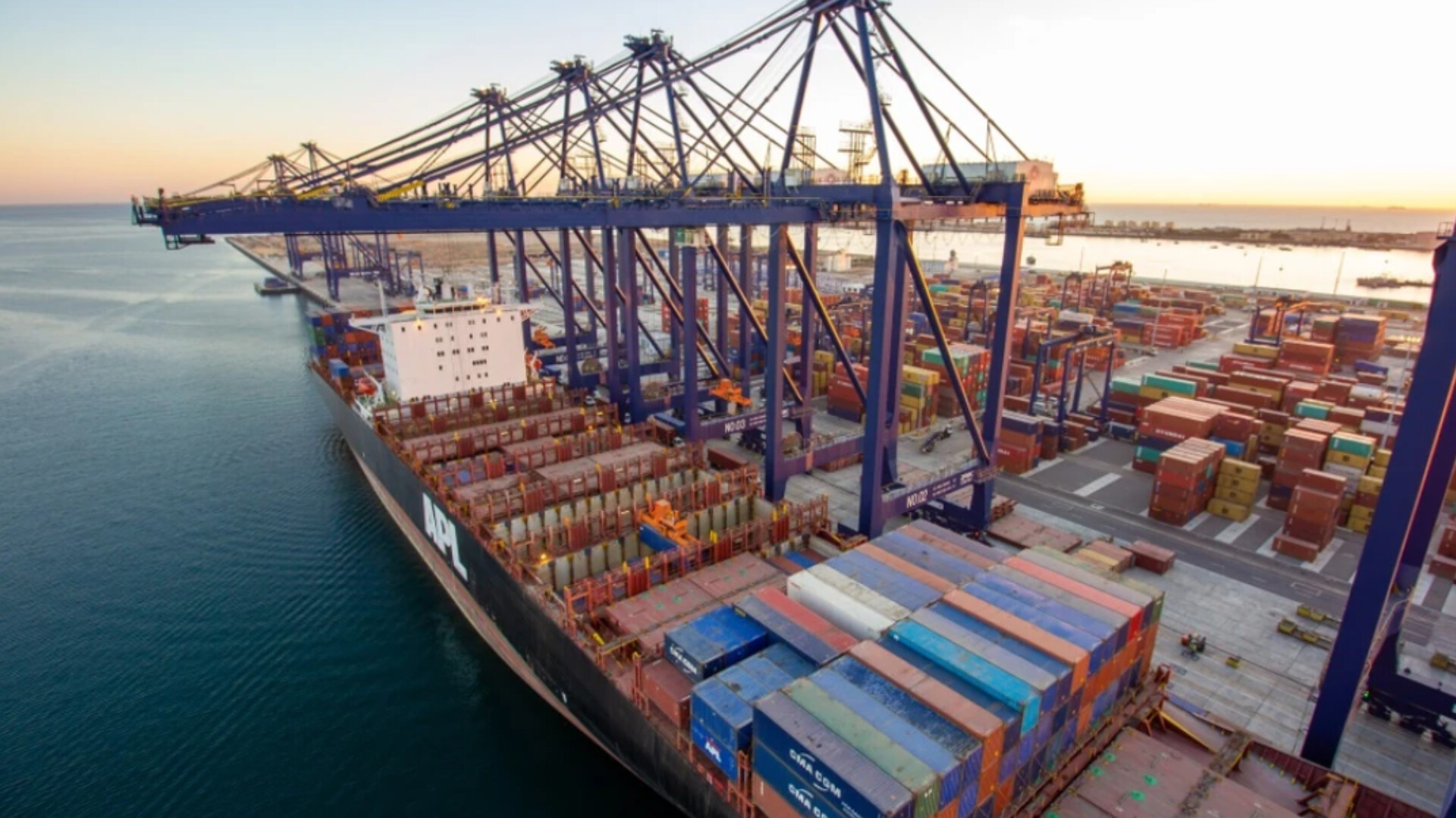
According to Magoo, Pakistan has the potential to increase its exports to between $50 billion and $60 billion if businesses are provided with a more favorable tax environment. He stressed that export growth is essential for long-term economic stability and reducing the country’s dependence on external financial support.
At present, Pakistani companies are paying a 29 percent corporate tax in addition to a 10 percent super tax. Business leaders argue that these high tax rates place a heavy burden on industries and discourage investment.
However, economists believe the government may move in the opposite direction. Shankar Talreja, Head of Research at Topline Securities, said Islamabad is expected to introduce additional tax measures in the next fiscal year to meet targets agreed with the International Monetary Fund (IMF). These measures are aimed at expanding the tax base and improving Pakistan’s tax-to-GDP ratio, which remains among the lowest in the world at around 10 percent.
Talreja estimated that the government could seek to generate nearly Rs860 billion ($3.09 billion) through new tax measures. He said a significant portion of the revenue is expected to come from the withdrawal of tax exemptions granted to various sectors, while provincial governments may also expand the scope of sales tax on services.
Magoo warned that any increase in taxes would ultimately be passed on to consumers. He explained that while taxes are initially imposed on businesses and industries, the additional costs eventually reach the public through higher prices of goods and services.
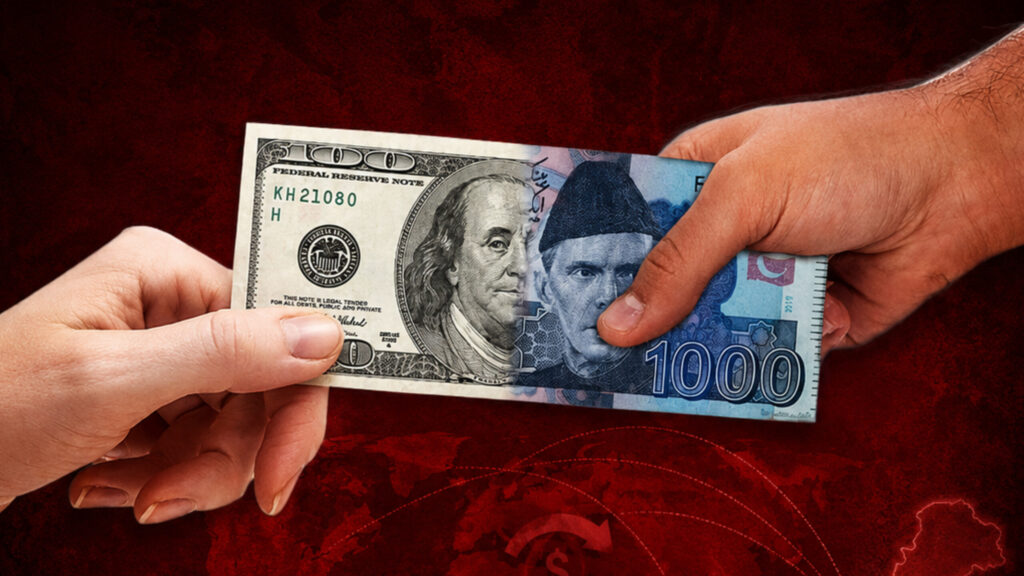
Analysts have also cautioned that further taxation could add to inflationary pressures. Pakistan’s consumer price inflation stood at 11.7 percent in May, and rising global oil prices linked to tensions in the Middle East have already created additional economic challenges.
The ongoing conflict involving the United States and Iran has disrupted energy and commodity supply chains and affected key trade routes, including the Strait of Hormuz, leading to concerns over higher import costs for countries such as Pakistan.
Magoo emphasized that the upcoming budget should focus on supporting exports and industrial growth. He said Pakistan’s economy would struggle to achieve sustainable progress and reduce its reliance on IMF programs unless policies are introduced to strengthen exports and encourage investment.