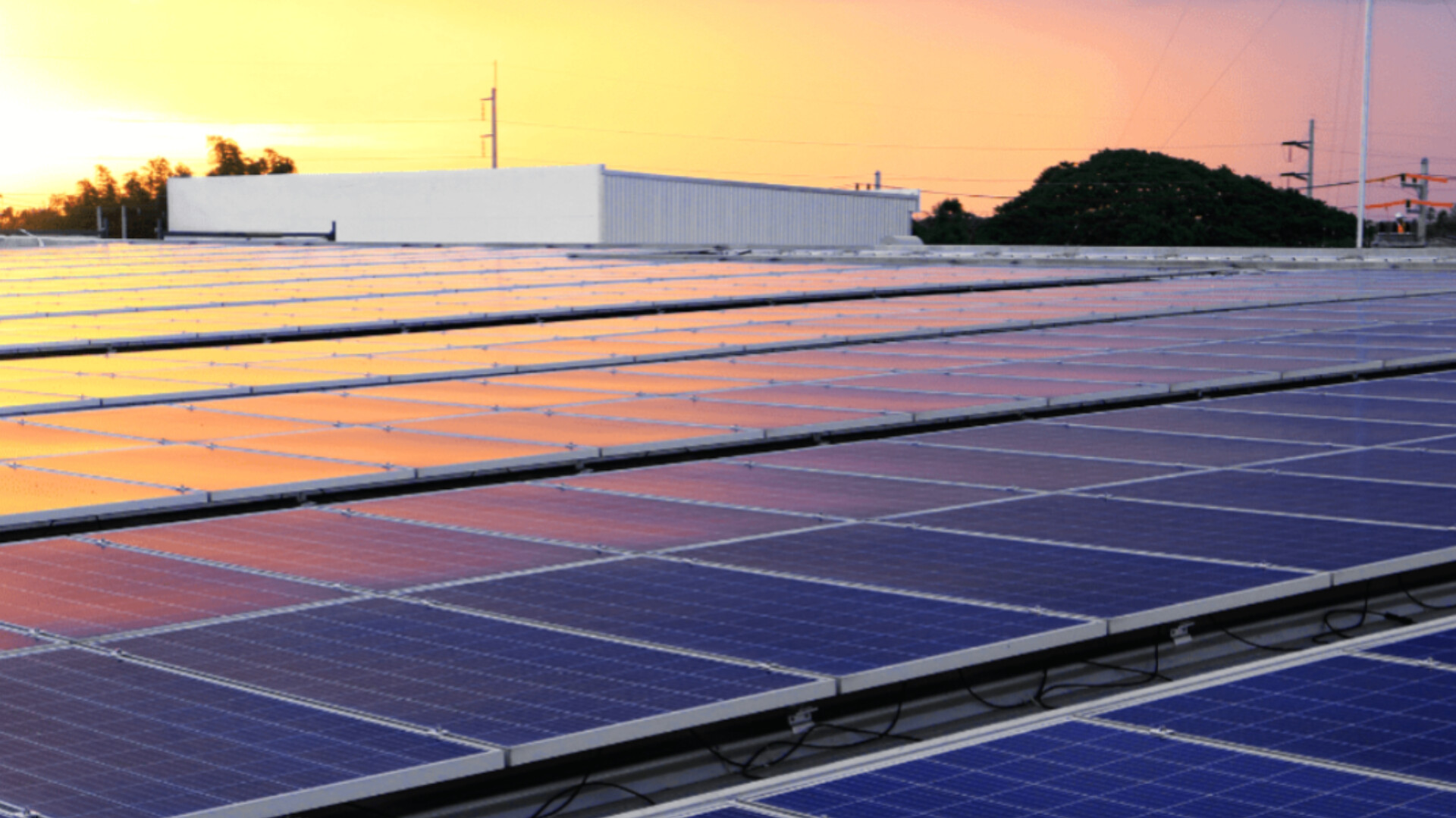
The Power Division has said that proposed changes to electricity tariffs could make grid-supplied power more attractive for industrial consumers. Officials believe that daytime electricity rates from the national grid may become comparable to the levelised cost of solar energy, encouraging industries to increase their reliance on grid electricity.
According to the Power Division, many industrial users have shifted towards solar power in recent years to reduce energy costs. However, the revised tariff structure could narrow the cost difference between solar energy and grid electricity, making the national power network a more competitive option for businesses.
Officials expect that lower daytime tariffs could encourage industries to draw a larger share of their electricity from the national grid. This would help increase electricity consumption through the existing power infrastructure and improve the overall utilisation of the country’s energy system.
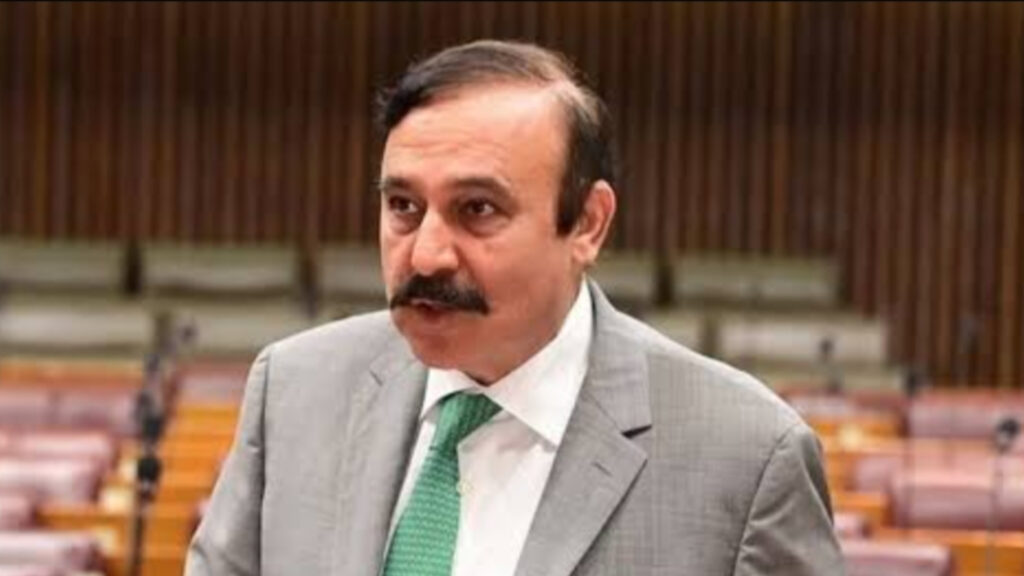
During a discussion on the proposed tariff mechanism, questions were raised about the International Monetary Fund’s (IMF) stance on the matter. In response, a government spokesperson said that the Ministry of Finance would be in a better position to comment on any official IMF view regarding the proposed electricity pricing structure.
The spokesperson noted that the IMF has generally supported reforms and policies that promote economic activity, strengthen industrial growth, improve efficiency in the energy sector, and make better use of existing infrastructure. Such measures are often viewed as important for long-term economic stability and growth.
He further explained that any tariff policy that improves industrial competitiveness, increases electricity sales, and helps recover fixed costs within the power sector would broadly align with these objectives. Greater electricity consumption through the grid could also contribute to a more sustainable and efficient energy system.
The proposed tariff changes are being closely watched by industry stakeholders, as they could influence future energy decisions for businesses while also affecting the government’s broader efforts to strengthen the power sector and support economic growth.