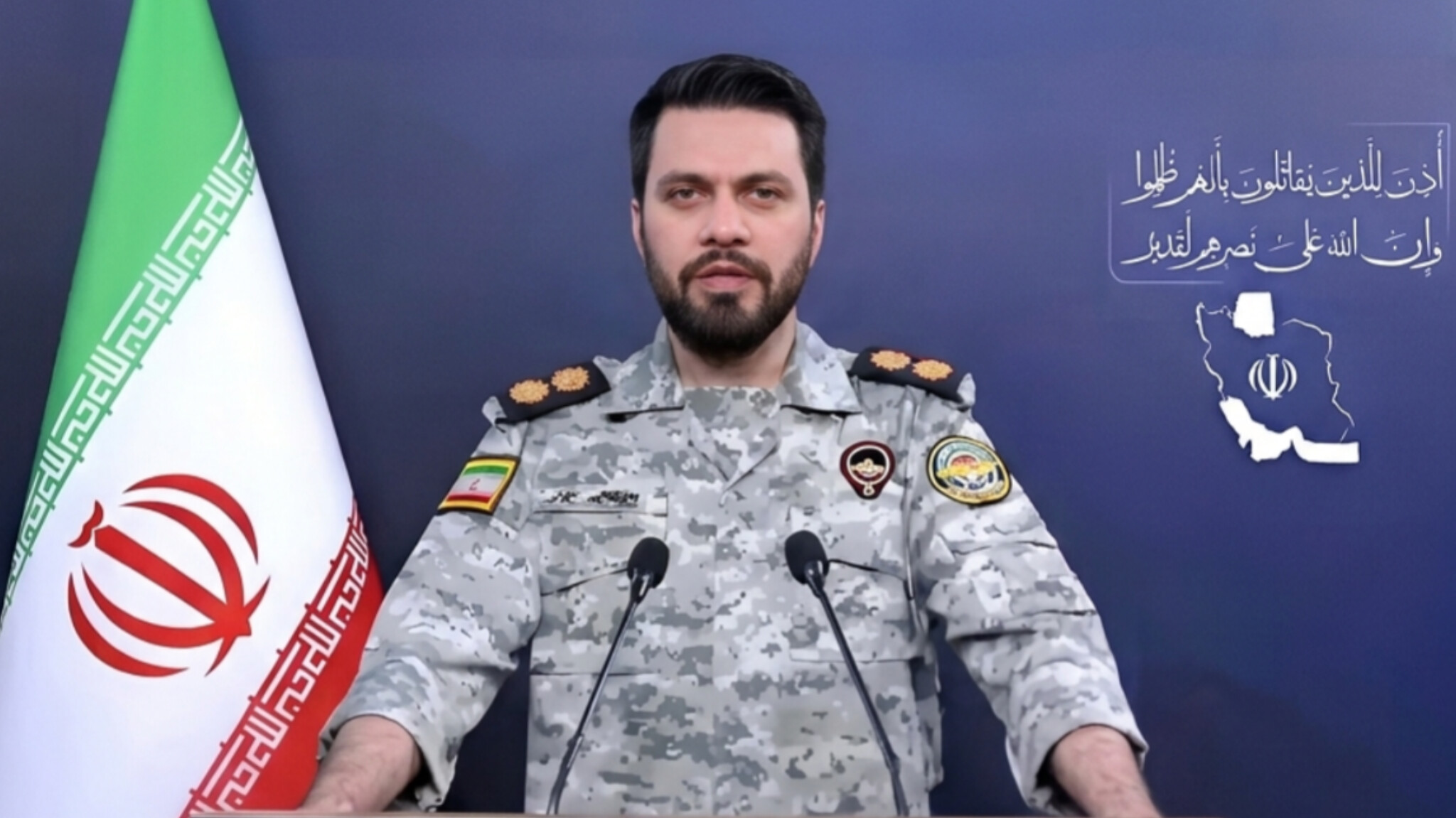
The Islamic Revolutionary Guard Corps (IRGC) Navy of Iran has declared a significant change in the power dynamics of the Strait of Hormuz. According to Iranian officials, the era of foreign dominance over this critical maritime passage has ended. They specifically emphasized that the United States and Israel no longer hold the same level of influence or control they once did over these waters.
To solidify this position, the IRGC is implementing a new, locally managed security framework. This strategy focuses on increasing Iran’s naval presence through more frequent patrols and the deployment of advanced surveillance technology. By enhancing their rapid-response capabilities, Tehran aims to monitor all maritime activities more closely, asserting that regional security should be handled by local nations rather than international coalitions.
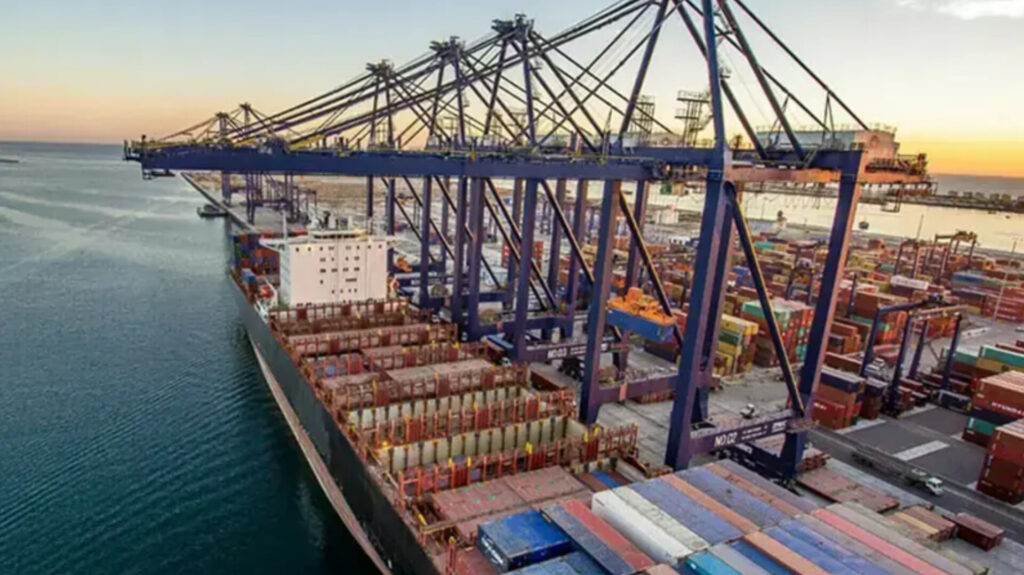
The move is largely a response to ongoing tensions and recent warnings from the U.S. regarding potential restrictions or interventions in the strait. The Strait of Hormuz is one of the world’s most vital energy transit points, with a massive portion of global oil and gas supplies passing through it daily. Iran’s latest actions signal a firm intent to safeguard its sovereignty and ensure that the flow of energy remains under its watch.
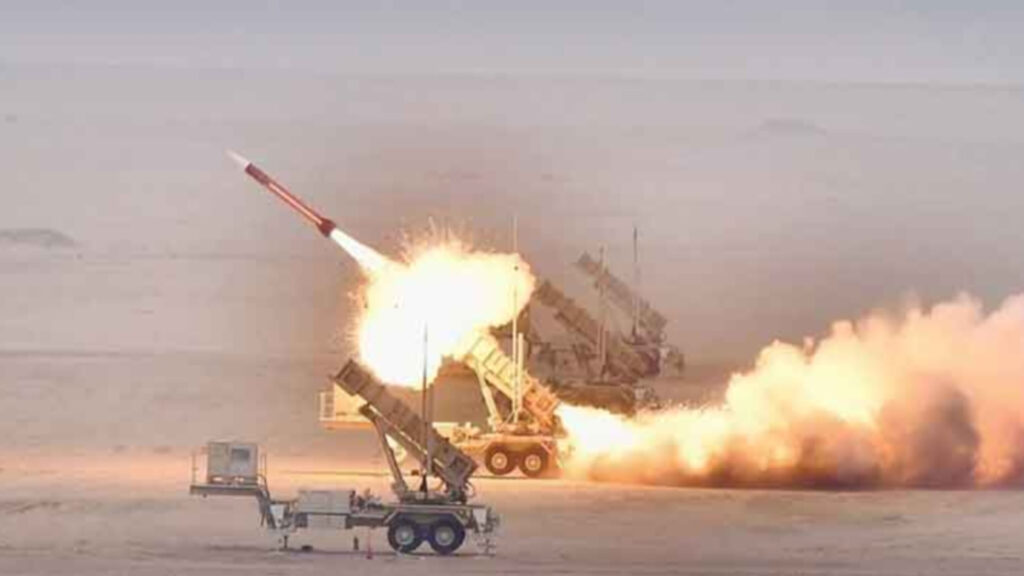
Finally, Tehran has issued a clear warning to external powers, stating that any perceived threat or challenge to its territorial waters will be met with immediate and decisive retaliation. This shift highlights Iran’s goal of establishing itself as the primary guardian of the region’s waterways, effectively challenging the long-standing naval presence of Western powers in the Middle East.