Iran has rejected the possibility of holding a second round of talks with the United States, further complicating ongoing diplomatic efforts aimed at reducing tensions in the region. According to Iranian officials, the decision was driven by concerns over what they described as Washington’s “excessive demands,” shifting positions, and continued pressure tactics, which they believe have undermined trust between the two sides.
Speaking on the matter, Foreign Ministry spokesperson Esmail Baqaei made it clear that Tehran currently has no plans to engage in another round of negotiations with the US. He also questioned Washington’s seriousness in pursuing diplomacy, suggesting that recent actions and statements from the US have made meaningful dialogue difficult at this stage.
Iranian state media further dismissed reports about upcoming talks, stating that claims of a second round of negotiations were inaccurate. Officials emphasized that the current environment, including ongoing tensions and what Iran views as violations of the ceasefire, is not suitable for productive discussions.
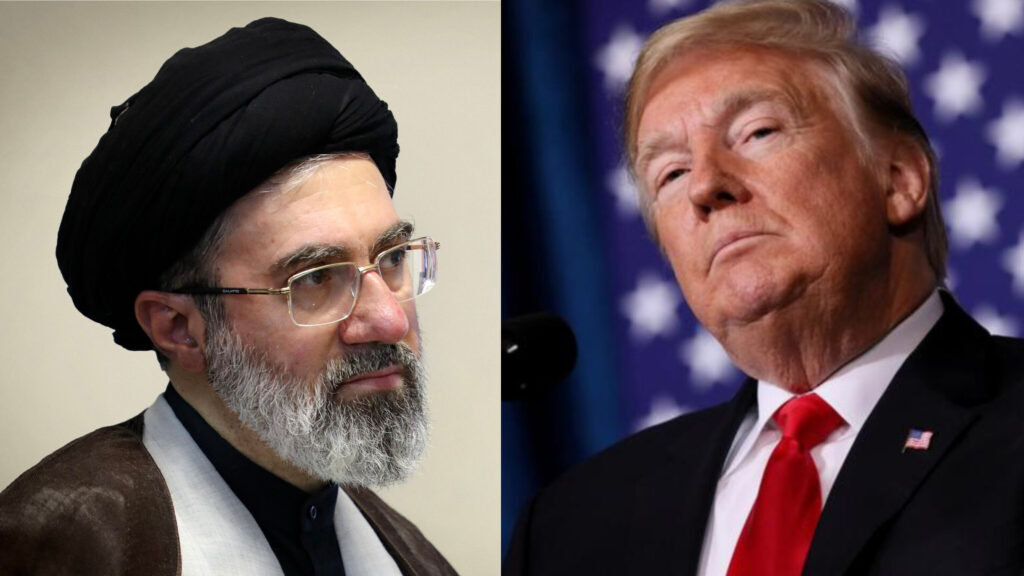
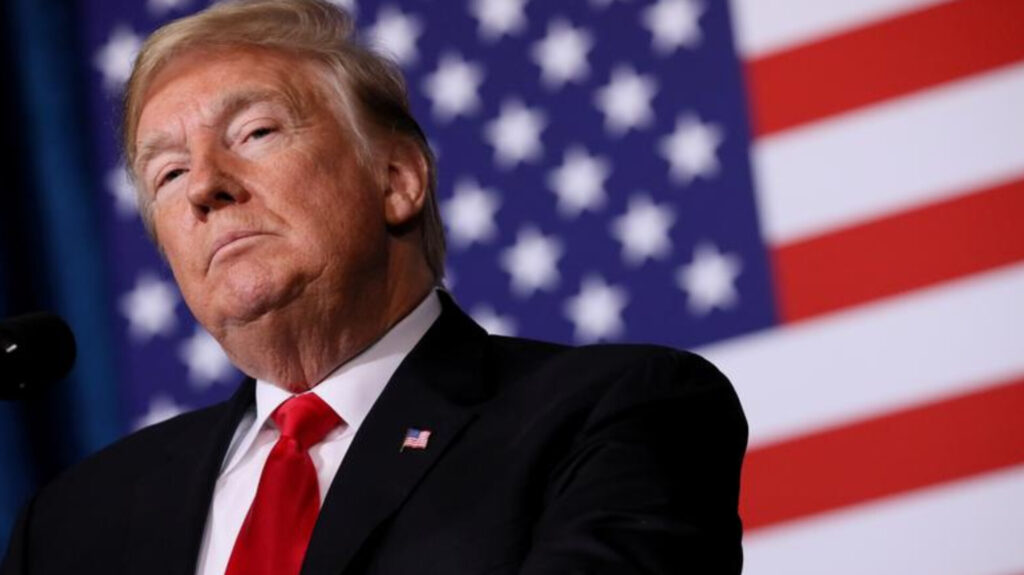
The development comes shortly after Donald Trump announced that US representatives would travel to Islamabad for a new round of talks with Iran. He indicated that the discussions were part of broader efforts to reach an agreement and ease tensions in the Middle East, raising expectations of renewed diplomatic engagement.
However, Iran’s firm rejection has created uncertainty around those plans, leaving the future of the proposed Islamabad talks unclear. Analysts believe that the disagreement highlights deep divisions between the two countries, particularly over key issues such as ceasefire conditions, regional security, and ongoing military and naval activities.
The situation remains tense as both sides continue to exchange strong statements, with international observers closely watching whether diplomacy can resume. With the possibility of further escalation still present, efforts by mediating countries, including Pakistan, may play a crucial role in bringing both parties back to the negotiating table.