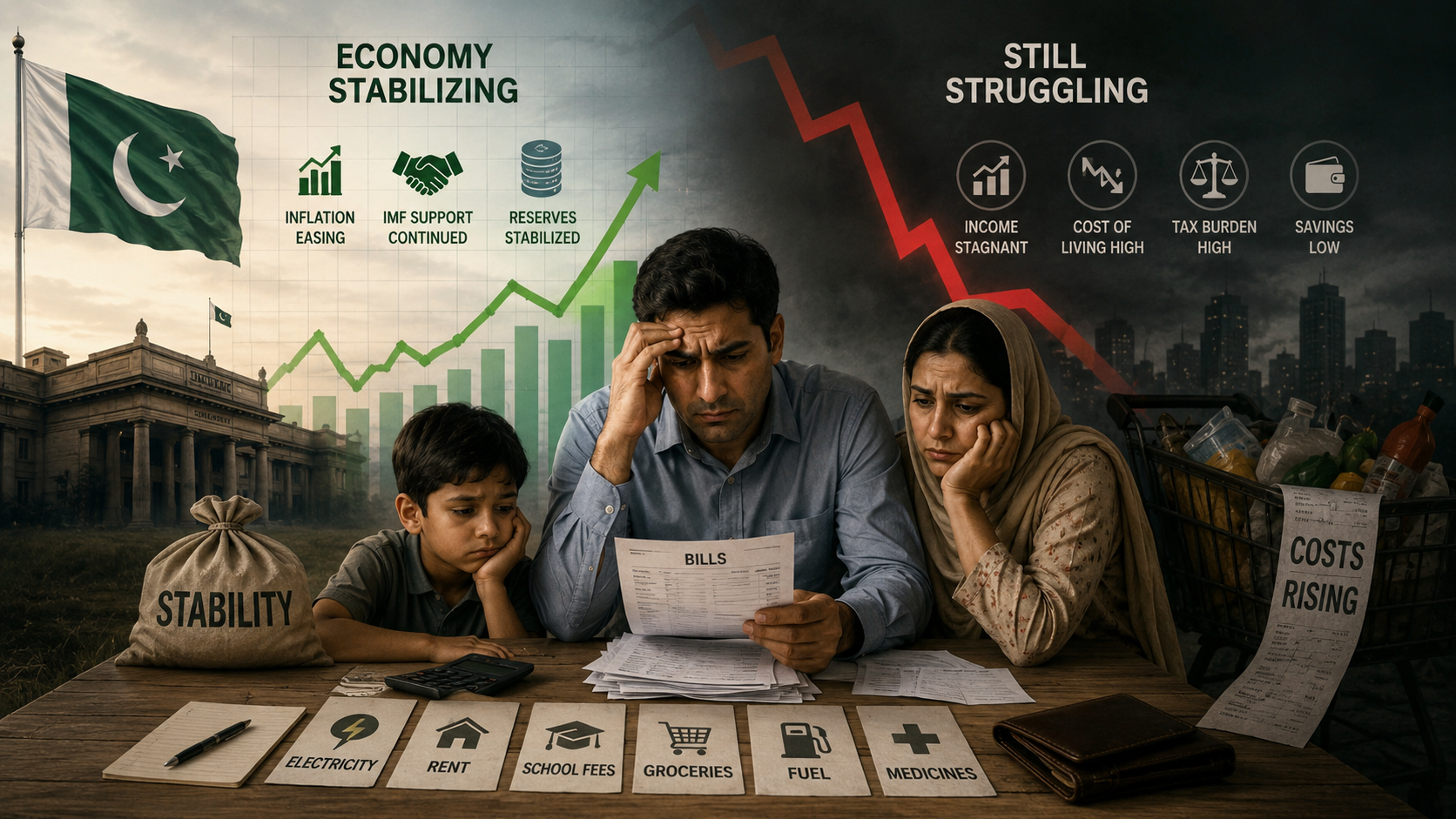
Macroeconomic factors suggest that Pakistan’s economy is stabilizing. Inflation has eased, IMF support has continued, foreign exchange pressure has decreased, and the current account is no longer under the same panic-like pressure as it was during the crisis year. These are signs of progress, especially for policymakers. However, for the middle class, stability feels almost invisible.
The reason is not complex; macroeconomic stability does not necessarily reflect household recovery. A country can reduce its deficit, meet IMF targets, and stabilize its reserves while its salaried citizens continue to suffer and feel poorer. This is what Pakistan’s middle class is currently facing.
Middle-class families measure the economy differently compared with economists. They do not calculate current account balances or fiscal consolidation. Instead, they calculate electricity, bills, rent, utility bills, school fees, medicines, fuel, grocery costs, and monthly loan payments. Even when inflation falls, there is rarely a reduction in prices. A gradual increase in prices is still an increase. People whose salaries have not increased at the same pace as inflation’; they see ‘’lower inflation’’ as a term they only hear on television.
The intense pressure is visible among salaried households. They cannot easily raise their income as businesses can when costs rise. Unlike the rich, they do not have investment buffers, assets, or dollar income. They are trapped in the hand-to-mouth system, making them feel trapped rather than stable and secure.
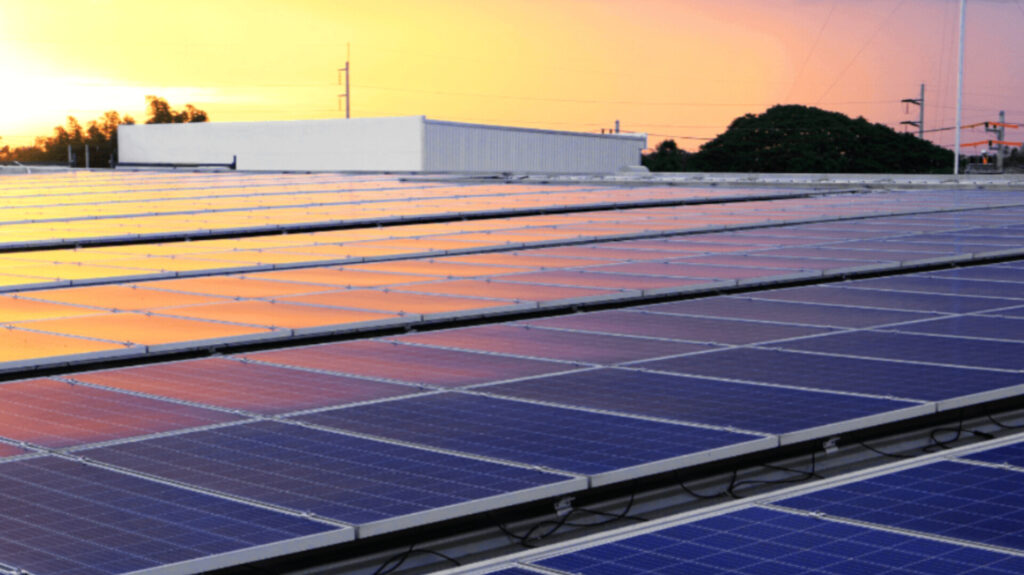
Energy costs have been one of the clearest signs of this squeeze. Household decisions are now more influenced by electricity bills, including reducing the use of air conditioning, cutting education-related payments, and delaying purchases. Analysts have suggested that rising bills for middle-class households could create greater power-pricing model, ultimately reflecting how national reforms are placing pressure on middle-class families.
Taxation policies also matter. Pakistan’s middle class is easier to tax than large informal industries. Salaried workers face deductions at source, while many powerful income groups remain under-taxed. This creates a sense of unfairness, as people who are already documented are being asked to carry a greater tax burden.
The challenge at the heart of these policies is that Pakistan’s economic model stabilizes through compression rather than expansion. Spending is tightened, imports are controlled, consumption is slowed down, and demand is cooled. These policies may prevent default, but they do not improve people’s financial position or income in any meaningful way.
Pakistan may now be more stable than it was during the crisis, but the middle class continues to face serious pressure. True stability only comes when families can save, invest and educate their children without worrying about higher taxes, bills and borrowing.