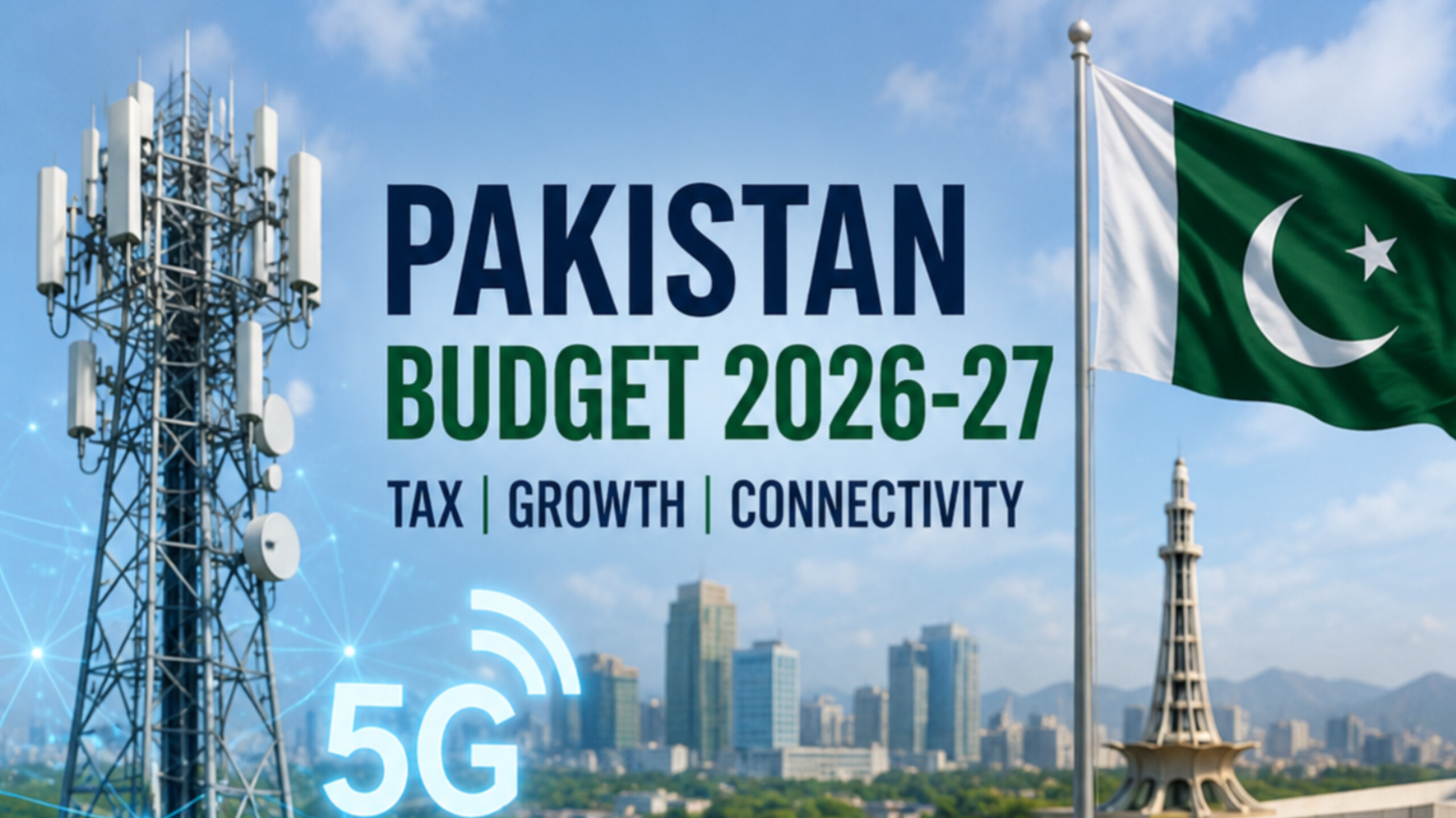
Pakistan on Friday unveiled a federal budget of Rs18.77 trillion ($67.49 billion) for the fiscal year 2026-27, focusing on higher defence spending, fiscal discipline, and compliance with conditions set under the International Monetary Fund’s (IMF) support programme.
Presenting the budget in the National Assembly, Finance Minister Muhammad Aurangzeb announced that defence spending would increase by 18 percent to Rs3 trillion. He said the decision was taken in light of the uncertain regional security environment and the need to strengthen the country’s defence capabilities.
At the same time, the government has reduced development spending, allocating Rs1 trillion for federal development projects. Provincial governments have also scaled back their development plans following discussions with the federal government to create additional fiscal space for security-related expenditures.
Aurangzeb stated that the government’s priority is to maintain economic stability while meeting commitments made under Pakistan’s $7 billion IMF programme. The country narrowly avoided a sovereign default in 2023 and is now working to keep the IMF-backed reform agenda on track.
The government has set an ambitious tax collection target of Rs15.26 trillion for the next fiscal year, representing an increase of 8.2 percent from the previous target of Rs14.13 trillion. This comes despite the Federal Board of Revenue (FBR) falling short of its tax collection goal during the outgoing fiscal year.
According to budget documents, the federal government expects a budget deficit of Rs7.02 trillion, while the overall fiscal deficit is projected at Rs5.23 trillion, equivalent to 3.6 percent of the country’s Gross Domestic Product (GDP). The estimates are based on an expected provincial budget surplus of Rs1.79 trillion.
A significant portion of government revenue is expected to come from taxes and levies, including the petroleum levy. Total revenue from these sources is projected to reach Rs20.60 trillion during the upcoming fiscal year.
The government has set an economic growth target of 4 percent for FY2026-27, compared to the estimated growth rate of 3.7 percent in the outgoing year. Inflation is projected at 8.2 percent, slightly higher than the average inflation rate of 6.7 percent recorded between July and May of the current fiscal year.
Pakistan has also committed to maintaining a primary budget surplus of 2 percent of GDP, excluding debt servicing costs, as part of its agreement with the IMF. The budget reflects the government’s effort to balance economic reforms, fiscal responsibility, and national security priorities while navigating ongoing financial challenges.