
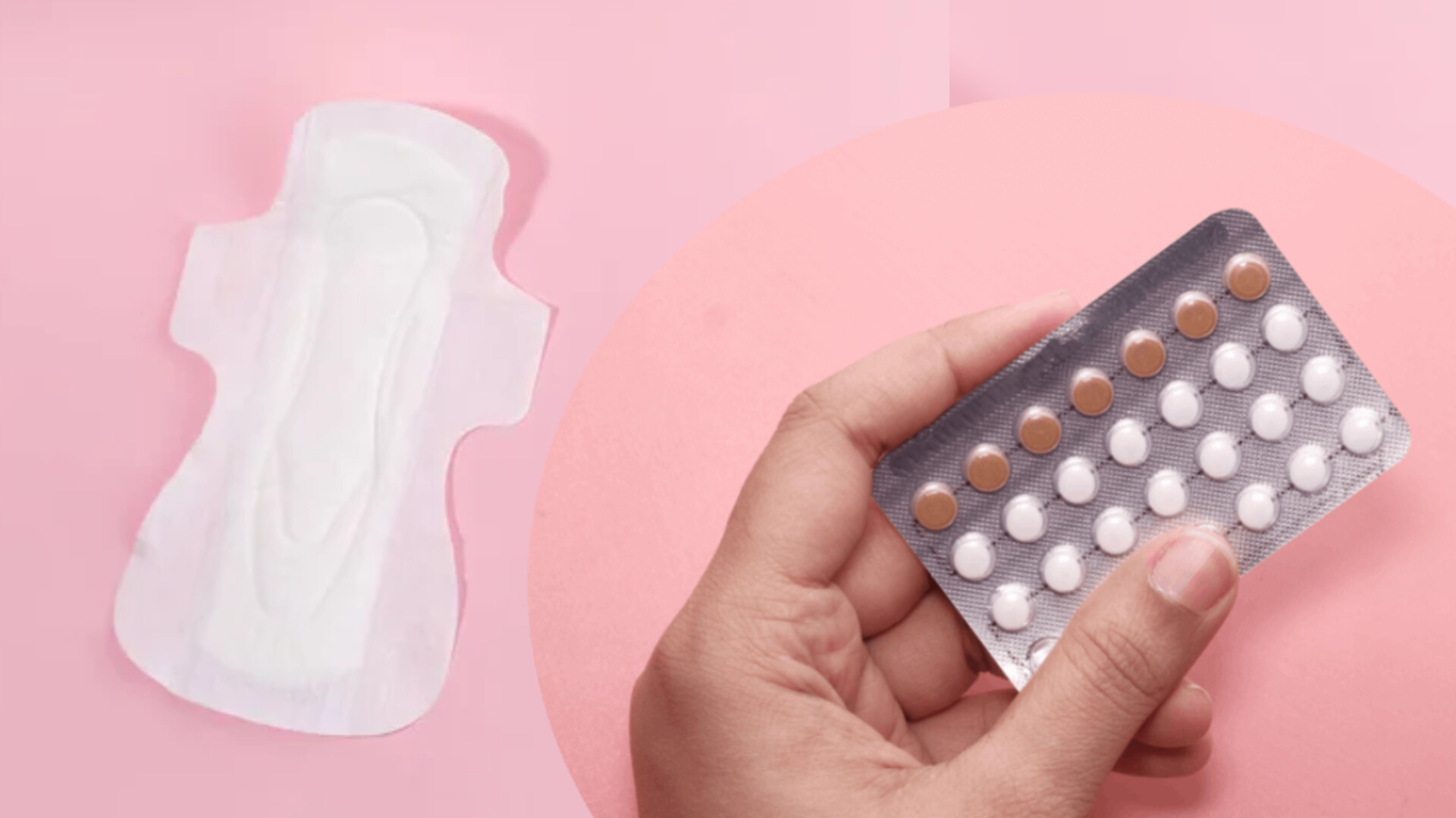
The government has proposed eliminating taxes on sanitary pads as part of a broader effort to recognize menstrual hygiene products as essential health commodities.
According to the proposal, the objective is to reduce the financial burden on women and ensure that sanitary products are affordable and easily accessible across all segments of society, particularly for low-income households and rural communities where access to menstrual hygiene products remains limited.
Officials noted that the decision aligns with public health priorities and gender-focused welfare initiatives. By removing taxes on sanitary pads, the government aims to improve menstrual hygiene management, reduce health risks associated with unsafe alternatives, and promote dignity and well-being for women and girls throughout the country.
The proposal is also seen as a step toward addressing long-standing concerns about affordability and accessibility of basic hygiene products.
In a separate but related move, the government has also approved the removal of taxes on contraceptives. This decision is aimed at strengthening family planning programs and improving access to reproductive health services nationwide. Authorities believe that making contraceptives more affordable will help support informed family planning choices, reduce unintended pregnancies, and contribute to better maternal and child health outcomes.
Health experts have often emphasized that access to both menstrual hygiene products and contraceptives plays a key role in improving overall public health indicators.
The government’s decision is therefore viewed as part of a wider strategy to enhance preventive healthcare, support population planning goals, and ensure that essential reproductive health products are available to all citizens without financial barriers.