ISLAMABAD: Pakistan has decided to seek greater flexibility from the International Monetary Fund (IMF) programme as it faces mounting economic pressure due to rising global oil prices triggered by the ongoing US-Israel conflict with Iran.
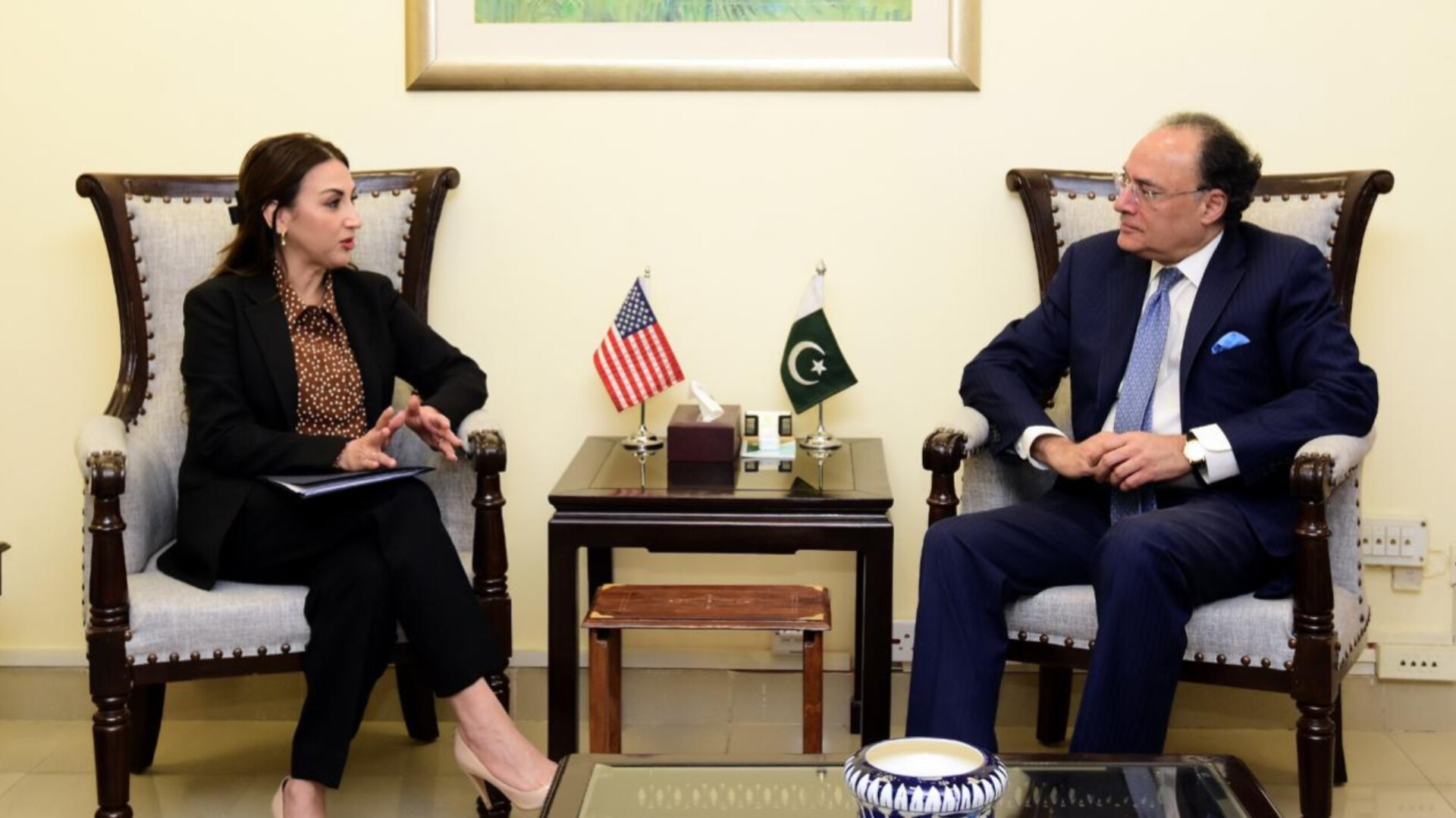
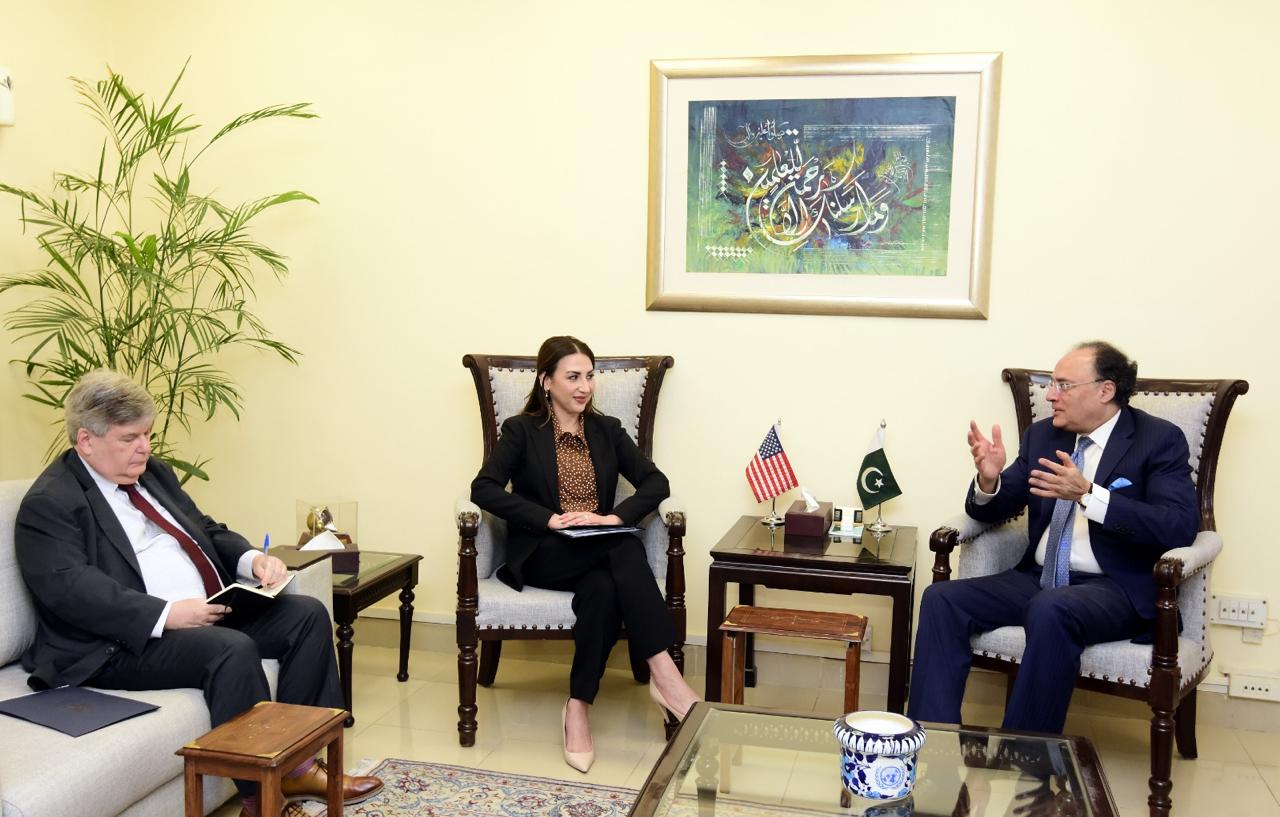
The development was announced by the Ministry of Finance following a meeting between Finance Minister Muhammad Aurangzeb and US Chargé d’Affaires Natalie Baker ahead of the upcoming spring meetings of the International Monetary Fund and World Bank.
According to the official statement, both sides reviewed Pakistan’s ongoing engagement with global financial institutions and reaffirmed the country’s commitment to maintaining economic reforms under the IMF programme. However, the finance minister stressed the need for policy flexibility in light of rapidly changing global and regional conditions.
Aurangzeb highlighted the government’s efforts to manage challenges in the energy sector, including fuel procurement, pricing mechanisms, and subsidy reforms. He noted that while fuel supply remains stable, the government is working to improve price adjustments and ensure that subsidies are directed towards vulnerable groups such as small farmers and public transport users.
Despite a sharp increase in global oil prices, Pakistan has kept petrol and diesel prices unchanged for the past three weeks a move that has cost the national exchequer an estimated Rs129 billion. Since the start of the conflict, global petrol prices have surged by around 80%, while diesel prices have jumped over 220%, with diesel recently recording a historic increase of more than $46 per barrel.
Officials indicated that the federal government is now shifting towards passing on the actual cost of imported fuel to consumers, while encouraging provincial governments to provide targeted subsidies to key sectors, including agriculture and transport.
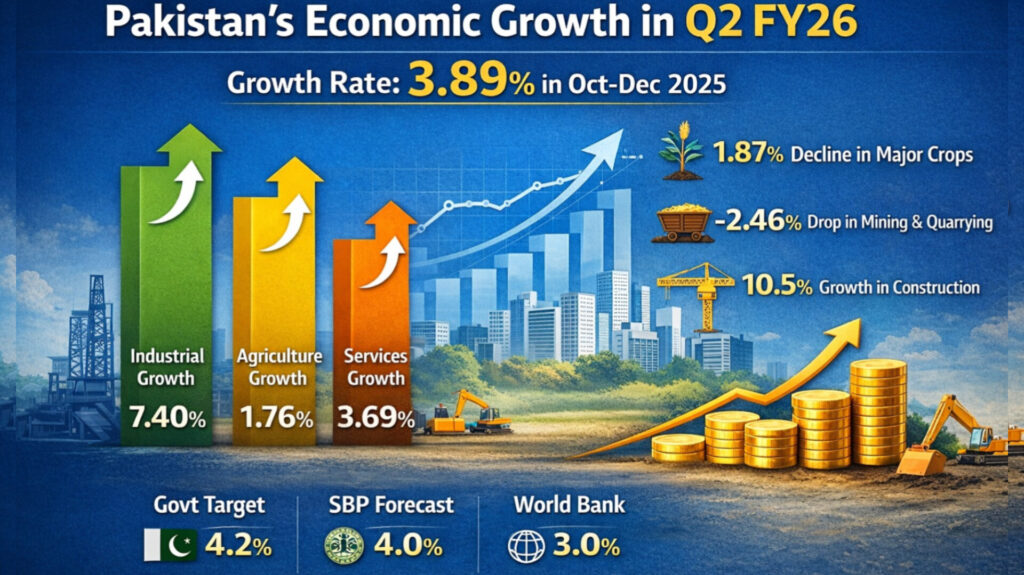
The meeting also focused on Pakistan’s broader economic outlook, with particular concern over the impact of rising oil prices on inflation, import bills, and overall macroeconomic stability.
On the diplomatic front, Baker reiterated US support for Pakistan’s economic reform agenda and appreciated the government’s efforts to stabilise the economy under difficult circumstances. She also expressed Washington’s interest in expanding investment in sectors such as energy, mining, technology, and logistics.
Both sides discussed avenues to enhance bilateral trade and investment, including collaboration in infrastructure development, digital connectivity, and regional economic integration.
Aurangzeb welcomed continued engagement with US partners and reaffirmed Pakistan’s commitment to improving the business environment, promoting export-led growth, and implementing structural reforms.
The meeting concluded with a broader discussion on Pakistan-US relations, with both sides expressing satisfaction over the positive momentum in bilateral engagement and exploring further opportunities for cooperation.